

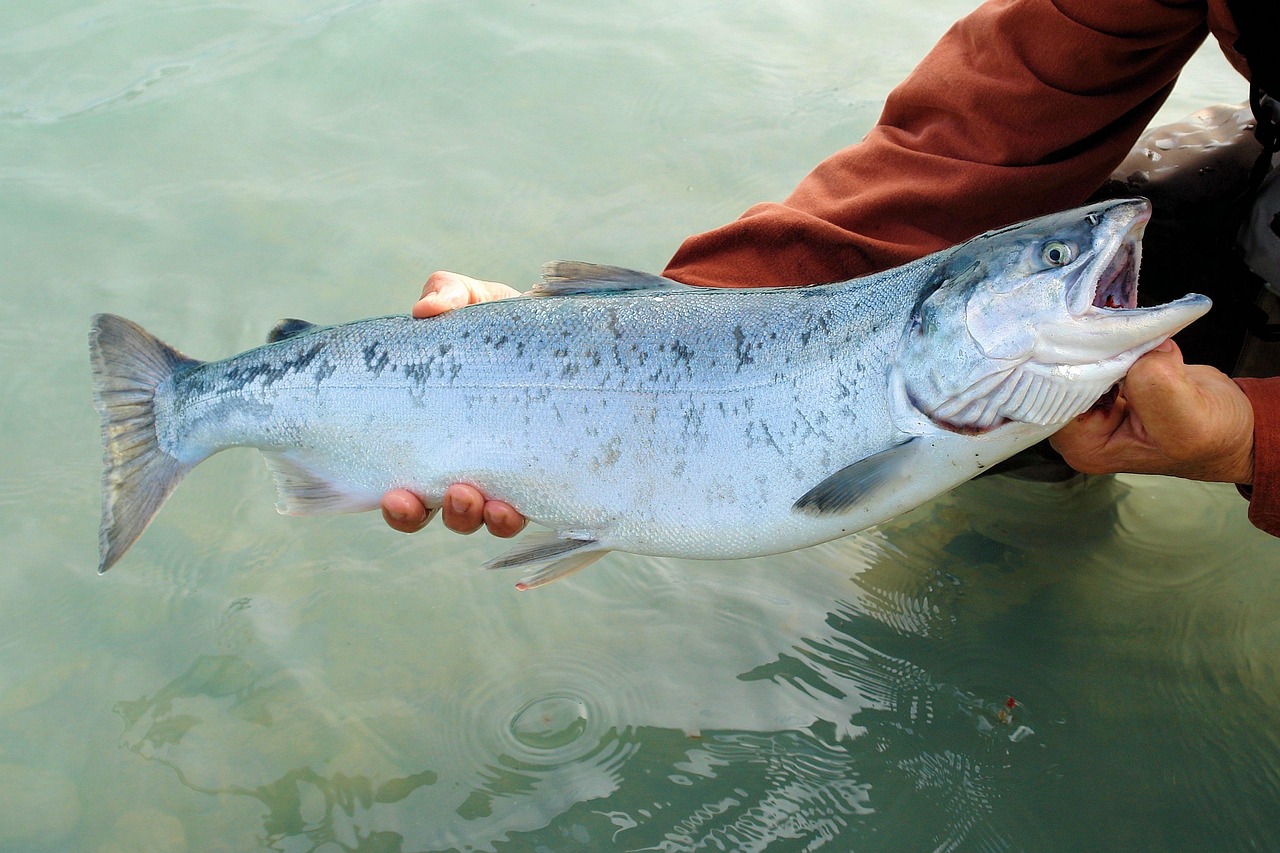
The removal of two aging dams in Northern California represents more than just an infrastructure project.
It is a story of healing, hope, and the kind of restoration that reminds us nature never stops fighting to come back.
Starting in 2028, the Scott Dam and Cape Horn Dam will begin their journey toward removal, opening up 288 miles of pristine cold-water habitat that salmon and steelhead have been blocked from for more than 100 years.
When the work is complete, the Eel River will claim the title of California’s longest free-flowing river.
A Century of Separation
Back in 1905, a San Francisco entrepreneur named W.W. Van Arsdale had an idea. The city of Ukiah needed reliable electricity, and the Eel River sat 475 feet higher in elevation than Potter Valley.

Simple physics and ambitious engineering led to what became known as the Potter Valley Project.
The Cape Horn Dam came first, completed around 1906.
Then came Scott Dam in 1921, standing 138 feet high and creating Lake Pillsbury.
Together with a mile-long tunnel carved through the mountain, these structures diverted water from the Eel River into the Russian River basin to generate hydroelectric power.
But here is the catch. Scott Dam was built without any fish passage. From the moment it was completed, salmon and steelhead were cut off from their ancestral spawning grounds. For over a century, generations of fish have tried to swim upstream only to meet an impassable wall of concrete.
Why These Dams Are Coming Down
Pacific Gas and Electric Company owns the Potter Valley Project, but the economics stopped making sense years ago.
The powerhouse has not generated electricity for five years.
The operating license expired in 2022, and PG&E decided not to renew it.
Then came the seismic studies. Engineers discovered the dams posed a far greater earthquake risk than previously thought.
The cost to upgrade them to modern safety standards would exceed the cost of removal.
That is why PG&E released a draft decommissioning plan in early 2025. The 2,100-page document proposes a rapid removal process for both dams, starting in 2028 and taking approximately two years to complete.
The removal will release about 12 million cubic yards of sediment downstream. That sounds alarming, and it will cause some short-term impacts. But scientists who studied the Klamath River dam removal say native fish are more resilient than we give them credit for.
What 288 Miles of Habitat Really Means
Imagine the distance from Portland, Maine, to Philadelphia. That is roughly equivalent to the amount of salmon habitat being reconnected on the Klamath River.
The Eel River restoration is nearly as significant, opening 288 miles of some of the best cold-water spawning and rearing habitat left in California.
These are not just any streams. The Eel River headwaters represent some of the finest remaining habitat for summer steelhead in the southernmost part of their range.
The water stays cold even in the heat of summer, fed by mountain springs and shaded by forest.
For fish that have been struggling to survive in warming, crowded rivers downstream, this is like opening the doors to a mansion they have been locked out of for generations. The genetic memory is still there. They will find their way home.
The Two-Basin Solution
Here is where the story gets complicated.
For more than 100 years, water diverted from the Eel River has flowed through that mile-long tunnel into the Russian River basin.
Farms and communities in Mendocino, Sonoma, and Marin counties have built their lives around that water supply.
You are better off understanding this is not just about fish. Removing the dams without a plan for water security would have pitted conservation against communities. That is why negotiators spent years working on what they call the Two-Basin Solution.
On February 13, 2025, eight parties signed a historic memorandum of understanding at California’s Natural Resources Headquarters. The agreement includes:
- The Round Valley Indian Tribes
- Sonoma County Water Agency
- Mendocino County Inland Water and Power Commission
- Humboldt County
- California Department of Fish and Wildlife
- California Trout
- Trout Unlimited
The deal centers on building a new pump station at the Cape Horn Dam site after removal. This will allow continued water diversions to the Russian River, but only during the wet season when flows are high enough to support both basins.
The agreement protects water supply for 600,000 people in the Russian River basin while ensuring enough water stays in the Eel River for fish recovery.
Restorative Justice for Indigenous People
The Round Valley Indian Tribes have lived along the Eel River since time immemorial. Salmon were not just food, they were central to the tribe’s cultural identity, economy, and spiritual life. When the dams went up, the Tribes lost access to a resource they had stewarded for thousands of years.
Joseph Parker, the Tribal Council President, spent years traveling to Sacramento for tough negotiations. He recalled it was not a pretty sight, with offers that tried to lowball the Tribes at every turn. But they persisted.
The final agreement transfers water rights to the Round Valley Indian Tribes, acknowledging their senior water rights with a priority date of time immemorial. In exchange for leasing those rights to allow continued diversions to the Russian River, the Tribes will receive:
- $1 million annually for water rights
- $750,000 annually for restoration efforts
- Payments guaranteed for 20 years with provisions to extend
Parker shared the news with his community in a quiet moment of celebration. They clapped their hands and agreed. The funds could support education, recreation, and college scholarships for future generations.
Lessons from the Klamath
If you want to know what is possible when we remove dams, look north to the Klamath River. Between 2023 and 2024, four dams came down in what became the world’s largest dam removal project. Those dams had blocked salmon from 420 miles of habitat since 1918.
Want me to tell you what happened? Salmon returned within months. Chinook salmon and steelhead that had been absent for over a century were spotted exploring upstream reaches before workers even finished the removal process.
Water quality improved dramatically. The algae-choked reservoirs that made the water unsafe for swimming disappeared. Temperatures dropped. Oxygen levels rose. Within a single spawning season, biologists documented salmon building redds in places their great-great-grandparents once spawned.
Scientists estimate it will take 10 to 15 years for new populations to fully establish themselves in the reopened habitat. But the speed of initial recovery exceeded everyone’s expectations. That is why conservationists working on the Eel River project remain cautiously optimistic.
The Road to 2028
The Federal Energy Regulatory Commission still needs to approve PG&E’s decommissioning plan. State and federal agencies will review the environmental impacts and mitigation measures. But all the major stakeholders are now aligned, which removes the biggest obstacle to moving forward.
The rapid removal approach proposed by PG&E aims to minimize the timeline of sediment impacts. Yes, there will be a massive flush of sediment when Scott Dam comes down. The roughly 12 million cubic yards accumulated behind the dam over a century will move downstream in a concentrated pulse.
But here is the deal. Temporary disruption beats permanent destruction. Scientists will monitor fish populations and may implement protective measures during the initial sediment flush. The Eel River has endured worse, including catastrophic floods and severe droughts. It knows how to heal.
What This Means for Rural Communities
The Two-Basin Solution represents a new model for resolving conflicts between conservation and community needs. Instead of zero-sum thinking where one side wins and the other loses, negotiators found a way for both rivers to thrive.
Farmers and residents in the Russian River basin get continued access to water during wet months when the Eel River has plenty to spare. The diversions will be based on the best available scientific information to ensure they do not harm fish recovery.
Communities along the Eel River get their salmon runs back. Commercial and recreational fishing opportunities will return. Indigenous people regain access to a cultural resource that defines their identity. And everyone benefits from a healthier watershed.
The agreement also secures state and federal funding for water infrastructure improvements in the Russian River basin. This means communities will not just maintain their current water security, they will improve it.
Beyond the Fish
Salmon and steelhead get most of the attention in stories like this, and for good reason. These are iconic species that once supported the third-largest salmon runs on the West Coast. But they are not the only beneficiaries.
Pacific lamprey, often overlooked, also depend on access to upstream habitat. These ancient fish have cultural significance for many tribes and play important ecological roles. The Eel River restoration will help them too.
Free-flowing rivers support healthier riparian forests. Trees and shrubs along the riverbank depend on natural flood pulses to spread seeds and nutrients. When dams block those pulses, the forest suffers. Removing the dams restores those natural rhythms.
Sediment and gravel trapped behind dams are essential for creating spawning habitat downstream. Once the initial flush passes, the river will begin distributing fresh gravel to downstream reaches, improving conditions for fish throughout the watershed.
The Bigger Picture
California has lost 80 percent of its historical salmon and steelhead habitat to dams and development. What remains is under enormous pressure from climate change, drought, and warming water temperatures.
Salmon need cold water to survive. As temperatures rise, fish get squeezed into smaller and smaller pockets of suitable habitat. Reconnecting 288 miles of cold headwater streams gives them room to adapt and survive.
That is why the Eel River restoration is so significant. Outside the Klamath Basin, this is the largest amount of anadromous fish habitat being reconnected in any California watershed. It represents a lifeline for species that have been declining for decades.
Recovery plans for salmon and steelhead along California’s North Coast identify the Eel River restoration as vital for rebuilding their populations. The headwater habitat being reopened is some of the best remaining intact spawning and rearing habitat in the region.
A Story of Hope
For those who believe in simple living and nature’s rhythm, the Eel River restoration offers a powerful lesson. Sometimes the best thing we can do is step back and let nature heal itself. We do not need to engineer every solution. We just need to remove the obstacles we created.
The dams that blocked these rivers made sense in 1905. The country needed electricity. Communities needed water. But times change. We now have better ways to generate power and manage water that do not require sacrificing entire ecosystems.
Chuck Bonham, director of the California Department of Fish and Wildlife, summed it up perfectly when he said this agreement will help restore a fabled river, bring salmon home, strengthen tribal sovereignty, and protect water for communities. All of those goals together, not one at the expense of another.
What Happens Next
Between now and 2028, there is much work to do. Engineers need to finalize removal plans. Environmental reviews must be completed. Funding needs to be secured for both the removal and the new water infrastructure in the Russian River basin.
The Round Valley Indian Tribes will play a central role in overseeing restoration efforts. Their traditional ecological knowledge, built over thousands of years, will guide decisions about how to help the river recover most effectively.
Scientists will establish monitoring programs to track fish populations, water quality, and habitat conditions before, during, and after dam removal. This information will help guide similar restoration projects on other rivers.
If all goes according to plan, workers will begin dismantling Cape Horn Dam first, followed by Scott Dam. The process will take approximately two years. By 2030, the Eel River could be flowing free for the first time in over a century.
Keep Watching This Space
The Eel River restoration is not just about fixing past mistakes. It is about creating a future where wild salmon return by the millions, where rivers run free and cold, where indigenous people exercise sovereignty over resources that have always belonged to them.
It is about communities working together to solve complex problems instead of fighting over scraps. It is about recognizing that healthy ecosystems and healthy communities go hand in hand.
The year 2028 could mark a turning point not just for river life but for how we think about our relationship with the natural world. The Eel River is showing us what is possible when we choose restoration over resignation.
As Joseph Parker looks toward the future, he sees the dams coming down and the river running free the way his ancestors once knew it. That vision is no longer a dream. It is a plan with funding, legal backing, and broad community support.
For everyone who has spent years fighting for this moment, the wait until 2028 will feel long. But after a century of separation, a few more years seems like a small price to pay to bring the salmon home.